

BONITA SPRINGS, FL – Panelists on day one of Construction Super Conference in Bonita Springs picked apart various myths found in construction defect disputes. Myth #1: After final completion, owners can remedy construction defects as they arise. The more nuanced take is that a lot depends on reasonableness and documentation.
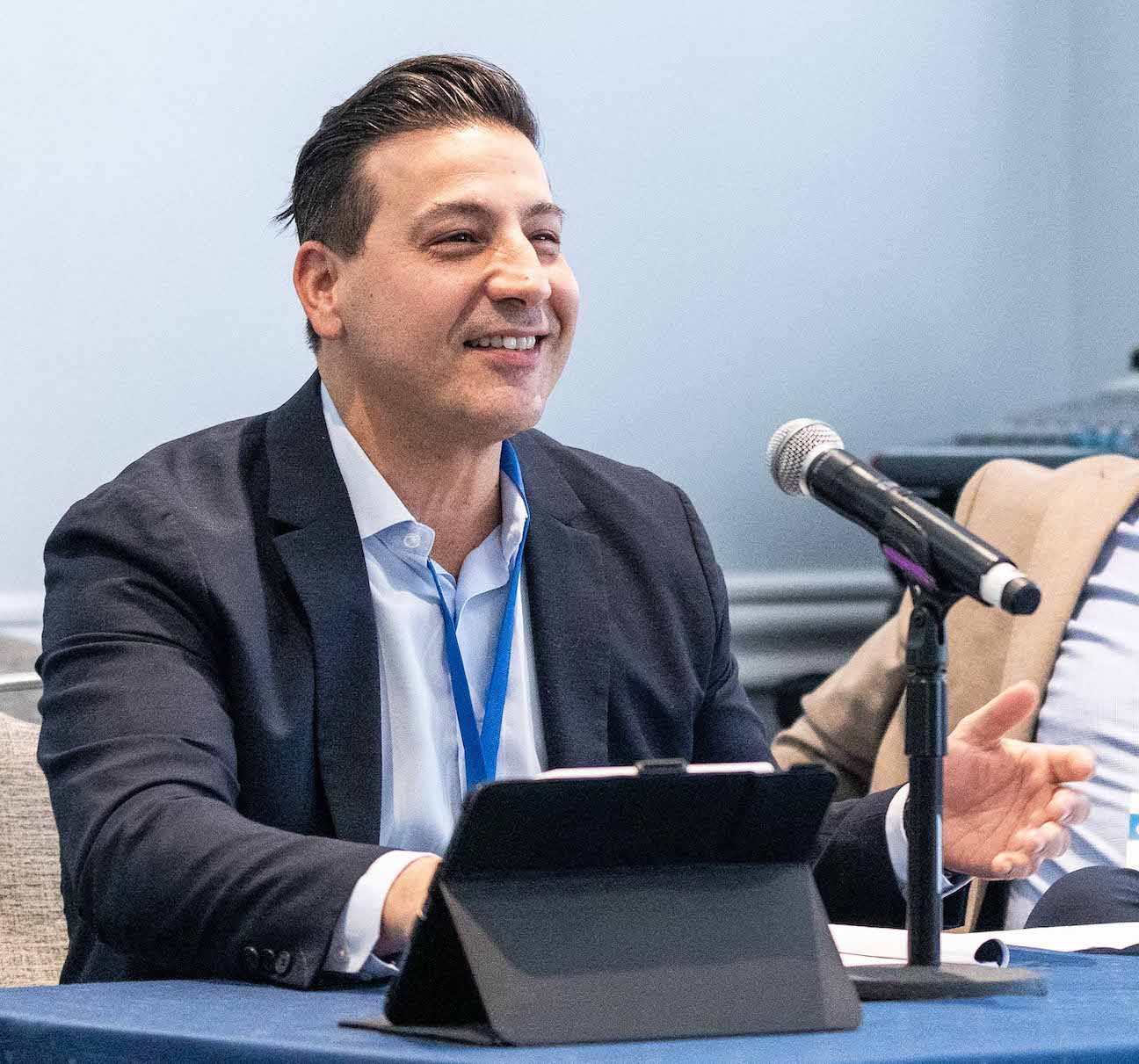 “We had a metal trade contractor and the owner and CM decided to take matters into their own hands and start remediation efforts without first performing the requisite tests,” said Gerard S. Strain (pictured), partner, Goetz Platzer LLP, New York, N.Y. during a session at the Bonita Springs Hyatt. “Their failure to do that came back to bite them in the end.”
The conundrum is that construction defect disputes are often complicated by long-standing assumptions—many of which don’t hold up under legal or technical scrutiny. Myth #2 is the perfect example: The Spearin Doctrine is largely thought to be the contractor’s get out of jail free card for poor plans/specs. Again, the reality is more complicated.
For example, does the owner always own the consequences of bad plans and specs furnished to the contractor? According to CSC panelists, the answer is no and in fact; Owners can shift liability to contractors for defective plans/specs and other errors/omissions in owner-furnished information.

Myth #3: If the redesign due to design errors makes the project better than my original bargain, I can recover the enhancement costs because it all stems from the original bad design. The reality is that the Betterment doctrine precludes receiving what the owner would have paid had the omitted design element been included in the original, non-faulty design—subject to some exceptions.
Myth #4: More pockets make it easier to mediate construction disputes—or maybe not. “A proliferation of parties can make it more complicated with more perspectives and more finger-pointing,” said panelist Christopher J. Brasco, senior partner at Watt Tieder, McLean, Va. “But you know what makes it even more complicated? The empty chair, because everybody blames that guy and then nothing happens. You have to make sure that everybody is there, and that’s where the insurance fits in.”