
WASHINGTON, D.C. – Chatting at the resort hot tub with strangers can reveal commonalities from vastly different backgrounds. The conference room version of “hot-tubbing” can also expose common ground in matters of U.S. construction arbitration.
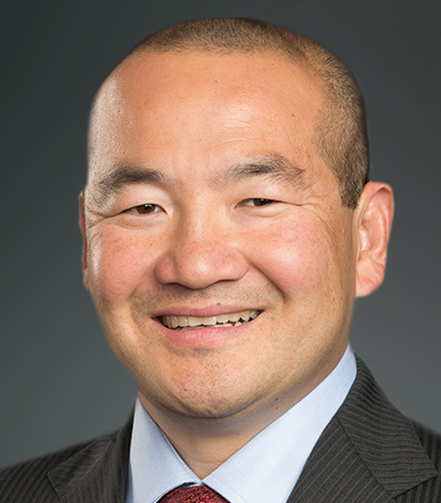
Toshi Dezaki, senior managing director at Washington, D.C.-based Ankura has seen it work while serving as an expert in multiple dispute resolution cases. Procedures often vary based on agreements hammered out prior to the “witness conferencing” or “concurrent evidence” (aka hot-tubbing) sessions where attorneys, clients, and immersed experts seek common ground.
 Arguments and cross-examinations by all parties are routinely presented before a tribunal in an effort to come up with a resolution. That usually happens in a large conference room in a U-shaped configuration where the tribunal sits at the base of the U, opposing counsels on either side, and expert witnesses in the middle. “When they do the hot tubbing, they just put an extra seat in the middle,” Dezaki explains. “The two witnesses sit together and it’s about answering questions.”
Only members of the tribunal may ask questions of experts in the “hot tub” scenario. If a particular answer requires a rebuttal, the additional expert may need to speak up and offer a different opinion. “Since your counsel is out of the process at that point, you really have to recognize the situation and advocate for yourself,” says Dezaki who has been qualified as an expert in construction damages by U.S. federal and state courts. “You can speak up and say, ‘I disagree’ and provide your viewpoint.”

In doing this, the hot-tubbing tradition dictates a particular commitment to collegiality. “There is an understood level of decorum in the process,” Dezaki confirms. “While you are trying to steadfastly relay your points and affirm your positions, it should never devolve into ad hominem attacks.”
The Process
A traditional four-week arbitration process may involve a two-week lag between expert testimonies, making it more difficult for the tribunal to compare and contrast the experts’ opinions.
“In contrast, hot-tubbing works well because you have the two experts there at the exact same time,” Dezaki says. “The panel/tribunal/trier of fact has an opportunity to ask, ‘Why do you agree or disagree with that person?’ Sometimes they’re more blunt and ask, ‘Why are you right and they’re wrong?’ Both experts are in the middle of the horse shoe answering the same types of questions, and it works well.”
Is hot-tubbing perfect? Many lawyers believe they lose control because it may come to a point where they are not asking questions. It’s just the panel and the experts.
“The lawyers may have no idea what the tribunal is going to ask,” Dezaki explains. “If the tribunal asks one expert one thing and then moves on without getting the other side’s perspective, the process can go wrong because it doesn’t afford the other expert the opportunity to say anything. Experts who are unfamiliar with the process may be too respectful and not speak up. They may not advocate for their side strongly enough, and then one side’s opinion is left unfettered without an appropriate response.”
However, Dezaki cautions that lawyers usually do not lose total control of the process. Instead, most tribunals allow attorneys on both sides to either re-cross or re-direct based on answers. “Not always, but often lawyers are given one more bite at the apple to rehabilitate some answers,” Dezaki assures. “All of these advantages have contributed to hot-tubbing being widely adopted in the U.K. and in international arbitration. It has also caught on in the U.S., but everyone needs to become more familiar.”
Article is certified HUMAN.