
HUNTINGTON BEACH, CA – How does the rise of artificial intelligence affect leadership? What traits tend to derail leaders? CSC Keynote Speaker Caroline Webb has thought about these topics, and she will share her science-backed strategies for exceptional leadership during CSC’s Opening Keynote on Wednesday, Dec. 2, from 8:15 a.m. – 9:30 a.m. at Grand Ballroom D-G.
Third Thursday sat down with Webb to learn about her philosophy, and to give attendees a preview of her 75-minute talk —The New Leadership Edge: Unlocking Human Intelligence in the Age of AI.
Third Thursday: What is the biggest misconception about what it takes to be a leader?
Caroline Webb: The biggest one is that leadership is mostly a matter of personality: that great leaders are born with some lucky mix of charisma, confidence, and natural authority—and the rest of us just muddle along. That isn’t what I’ve seen in 25 years of coaching leaders. There are many different ways of being a great leader, and we can all cultivate habits that help us get more skilled at bringing the best out of a group. The leaders I write about usually didn’t start off being brilliant at everything—they worked at getting better, very intentionally.
Another misconception you sometimes see among professionals who rose through the ranks by being excellent at their craft is that leading well means being the person with the best answer. Being a superb lawyer (or in my case, economist) is a wonderful foundation, but once you’re leading others, the job shifts. It becomes less about how smart you are and more about how much of everyone else’s intelligence you can unlock.

Third Thursday: How does “the rise of AI” affect leadership?
Caroline Webb: As AI gets more ubiquitous and capable at analytical heavy lifting, including reviewing documents and organizing information, the aspects of leadership that are distinctly human become more valuable, not less. They include making good judgment calls when there’s no clear right answer, reading a room and understanding when you need to adjust your approach, building trust and keeping people motivated even when work is hard. It’s going to become ever more important that we understand how to do these things well. That doesn’t mean ignoring AI, which can be a terrific thinking partner for stress-testing your reasoning or rehearsing a hard conversation. It means leaning into what human brains are really good at.
Third Thursday: What trait or behavior can derail a leader’s career?
Caroline Webb: One I often see is a leader who becomes harder to talk to as the pressure rises. When we’re stressed, the brain’s threat response narrows our attention and makes us more defensive, so we start hearing challenge as attack and filtering out information that doesn’t fit our view. Colleagues notice, and gradually they stop bringing bad news or dissenting opinions. It’s not a good recipe for great problem-solving or innovation. I work a lot with my clients to develop a personal toolkit for handling stress—which they often end up using to coach their colleagues on managing their own stress, too.
Third Thursday: What are a few of the issues you plan to speak about?
Caroline Webb: I’ll be talking about three strengths that set great leaders apart in the modern workplace, each rooted in some fascinating science about how the brain works, and each pointing to practical steps people can take in their work the very next day.
Third Thursday: What are those three strengths?
Caroline Webb: The first is wisdom: how to see more of what matters in a complex situation so you can make wiser choices. The second is inspiration: understanding what makes people tick, so you can bring out the best in them.
The third is resilience: how to help people navigate stressful situations so they rise to the challenge rather than buckle under it. I’m going to guess that construction law offers no shortage of complexity, high stakes, and stress—so I’m looking forward to making all of this useful for the people in that room.
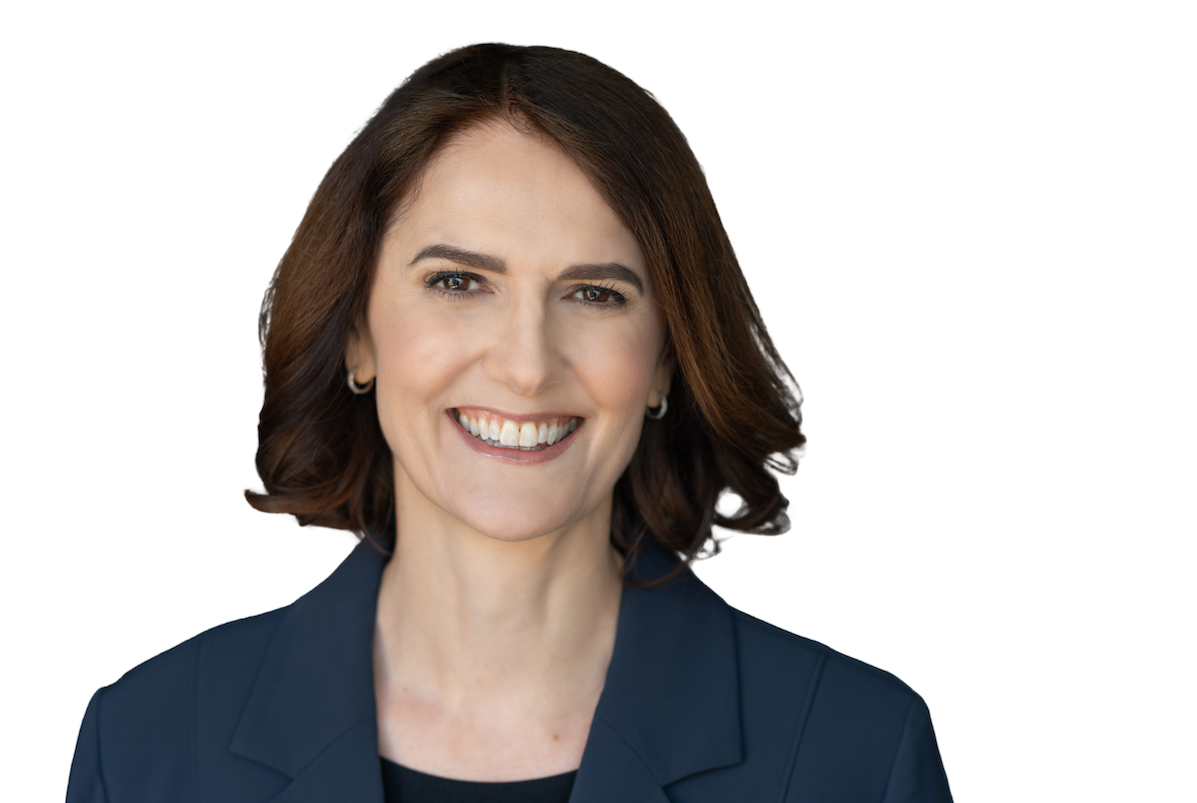 Caroline Webb is a leadership coach, economist, and speaker known for being one of the world’s leading experts in using insights from behavioral science to improve professional life. She is the author of two bestselling books: Leadership Intelligence and How To Have A Good Day. She is also a senior advisor to McKinsey, where she was previously a partner. She has been rated one of the top 50 leadership and management thinkers by Inc. magazine, and one of Thinkers50’s top 50 executive coaches in the world.