
HUNTINGTON BEACH, CA – Few things unite republicans and democrats like opposition to data centers. Even with the opposition, massive financial backing all but assures that the centers are going forward—but what are the delay drivers and what is the reality of power availability?
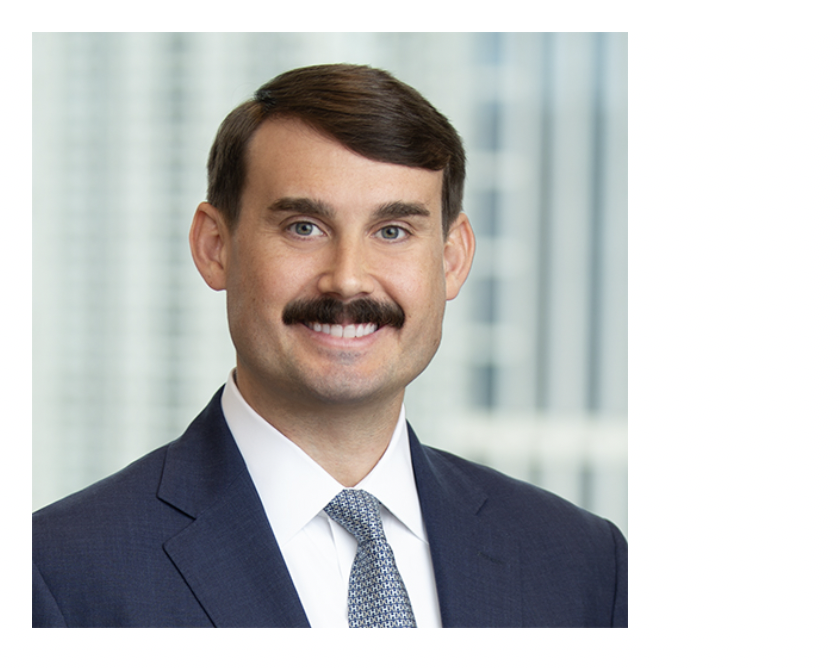
Cody N. Schneider, a partner at Peckar & Abramson, plus two additional colleagues, will be dismantling the topic at CSC. Third Thursday sat down with Schneider to learn more about the issue and its many challenges.
Third Thursday: What type of interest level do you expect among CSC attendees for this topic?
Schneider: Because data centers have become a “hot topic” in the construction industry and in the news generally—which I think will only get “hotter” as we get closer to fall voting—I expect strong interest in our topic this year.
Third Thursday: Are data centers a major focus of attention for construction attorneys these days, or is it still a mostly niche pursuit?
Schneider: Yes and no. What I mean is while data center construction projects are still a niche market, the sheer level of investment in them—and the resulting resources and manpower being drawn into them—has led more of our clients to get involved, or become more heavily involved, in data centers. Consequently, because our clients’ attentions are getting more focused on these projects, so too are ours.

Third Thursday: The 8/31/26 issue of the NY Times reported that nearly 80 percent of independents opposed local data center projects, along with 83 percent of Democrats, and two-thirds of Republicans. The CSC panel this year in Huntington Beach will touch on “stakeholder and community engagement, and anticipating downstream dispute exposure.” How has the strong opposition to data centers affected the “stakeholder and community engagement” portion of the construction process?
Schneider: I believe it has resulted in earlier and continued engagement with the community and stakeholders. You cannot expect to go into a city, town, or county anymore, say you are willing to invest millions or billions of dollars in connection with data center construction projects, and then demand incentives for your project and/or expect them to roll out the red carpet. Now you need to engage stakeholders and the community early to not only remind them of the massive need for these data centers, and the economic benefits the community will see in connection with the construction and operation of these data centers, but also be transparent about your awareness of the well-known, and lesser-known challenges associated with these projects and how those challenges are being addressed for that community.
Third Thursday: What is fueling the widespread opposition to data centers?
Schneider: First, I would not necessarily call it “widespread” opposition to data centers, but instead opposition that is growing louder in light of the political season we are in. With respect to the perceived bi-partisan opposition, I think there is a little something for both sides to latch onto. For example, both major political parties can point to the amount of power these facilities use and the fear of rising utility costs for communities. Add in the potential shared underlying skepticism for AI and the large companies funding and building these facilities, and it is understandable why both political parties are being drawn to express opposition to data centers.
Third Thursday: What type of “downstream dispute exposure” should be anticipated?
Schneider: As the late, great Yogi Berra said, “it’s tough to make predictions, especially about the future.” Nevertheless, I am advising my clients to protect themselves against exposure for delays (whether caused by the growing trend in “data center specific” moratoriums against such projects or by “typical” supply chain issues with these project) and also to protect against consequential type damages because the potential indirect exposure from these data centers not going online as scheduled or operating as planned can be astronomical given the sizeable investment in these projects as well as the hyperscalers and end users involved.
 Third Thursday: What has become the dominant schedule and risk driver for data center projects?
Schneider: Power availability, “louder” public opposition, labor needs, and supply constraints. Power, power, power is the main schedule and risk driver seen right now. Also, the louder public opposition (in-part due to power availability) resulting in moratoriums, audits, etc. from local and state governments can inevitably lead to scheduling impacts. Moreover, labor shortages (in particular skilled or technical labor) in the areas where these projects are located, along with constraints on the specific equipment or materials for these projects, are causing growing schedule and risk concerns.
Third Thursday: What is a real-world example that illustrates how owners, developers, contractors, and advisors should be approaching data center projects?
Schneider: As with other major construction projects, collaboration, transparency, and solution orientated focus (not finger pointing), should be the approach shared by owners, developers, contractors, and advisors. Because issues are inevitable on projects of this scale, the parties should discuss exposure and the appropriate allocation of risk early. When issues do arise, the parties should maintain open lines of communication to discuss solutions instead of immediately assigning blame and demanding that the other party bear the cost of those issues until the end of the project.
Third Thursday: What are the power availability constraints with data centers and what is the role of counsel when negotiating and/or advising about these constraints?
Schneider: As noted above, power availability is one of the top, if not the top, consideration for data center projects. Accordingly, counsel should be advising their clients of developments affecting project sites or potential project sites where power availability constraints are present or emerging, caution their clients about the potential risks and exposures associated with those power availability constraints, and help their clients negotiate appropriate protections in their agreements if such power availability constraints are likely, foreseeable, or unavoidable.
Third Thursday: Why are in-person conferences such as CSC still relevant and useful?
Schneider: Twofold. First, although there are still plenty of options for distractions, I believe people can more easily focus on the actual presentation when sitting in a room and attending in-person conference like the CSC over virtual presentations. Second, the engagement opportunities outside of the presentations, from meeting new people, seeing old colleagues, engaging with clients, or even talking with opposing counsel provide real value that virtual conferences cannot.
Cody N. Schneider, partner at Peckar & Abramson, will join two colleagues at CSC 2026 for a panel discussion — When Power Becomes the Critical Path: Delay Drivers & Mitigation for Hyperscale Data Center Delivery. The session takes place on Tuesday, Dec. 1 from 2:45 p.m. – 4:00 p.m. at the Hyatt Regency in Huntington Beach, Calif. Registration is currently open.