

SAN FRANCISCO – As a partner in the NOSSAMAN LLP San Francisco office, Jill N. Jaffe leads the firm’s Construction Claims team, focusing primarily on public procurements and infrastructure. Jaffe has seen a lot during her 15 years at NOSSAMAN in both federal and state courts—pre-litigation government investigations, pleadings, e-Discovery, dispositive motions, mediation, and trial.
When the first set of Trump tariffs in 2016 brought arbitration hearings, those experiences proved useful—particularly when Trump 2.0 tariffs contributed to numerous cost fluctuations. “We’re seeing a lot of cost escalation claims,” Jaffe confirms. “It’s not only because of tariffs, but tariffs have added a whole layer of uncertainty and price increase potential.”
Pinpointing reasons for escalating prices is the first priority. Jaffe recalls an arbitration where the contractor did not order materials in a timely manner. In that case, prices did go up, but not because of tariffs. “The materials cost more,” Jaffe remembers, “but that wasn’t the owner’s fault, and it could have been mitigated if the contractor had acted quickly.”
Jaffe remembers another case where there was a contractor claim for price escalation. “It was based on a change-in-law argument,” Jaffe says. “The owner and the contractor read the contract differently, which is common. The owner ultimately prevailed because of a factual showing.

“The owner demonstrated that the materials at issue were purchased either before the tariff had any impact on the market, or after the tariff had an impact on the market,” Jaffe continues. “Typically change-in-law provisions are quite broad and depend on the contract language. However, tariffs could constitute a change in law, unless expressly carved out.”
Many projects that Jaffe deals with these days have buy-America clauses due to federal funding requirements. However, tariffs can still have an indirect effect. “It goes back to contract drafting and having an understanding between the parties,” Jaffe reiterates. “If tariffs are having an indirect effect, does that qualify under whatever language may be applicable under the contract or not? That also makes it a complicated fact-intensive question as to whether tariffs on foreign goods may impact pricing of domestic products.”
Jaffe adds that tariffs could come up in the context of force majeure in cases of delay, “because if there’s delay, there can be cost escalation, which could be related to tariffs. Those types of claims were fairly common during COVID when there was a lot of supply chain disruption, and usually pursued under a force majeure clause.”
What types of provisions are attorneys using to account for tariffs and create a clear allocation of who’s responsible for risk? Contractors are often the default risk-takers, but sometimes owners will specifically take on some of the risk because it helps lock in a reasonable price.
 “There can be express exclusions in the contract, which state that the contractor is responsible for a cost escalation,” Jaffe explains. “New clauses have to do with what happens if there’s specific tariffs or price increases related to certain materials. Price indexes help to allocate some of the costs. If the cost escalation of steel is less than the applicable indexes, that price escalation is on the contractor. If it’s more than the price index, then the owner will cover it. The idea is to use an objective reference point rather than having to calculate it if a dispute arises.”
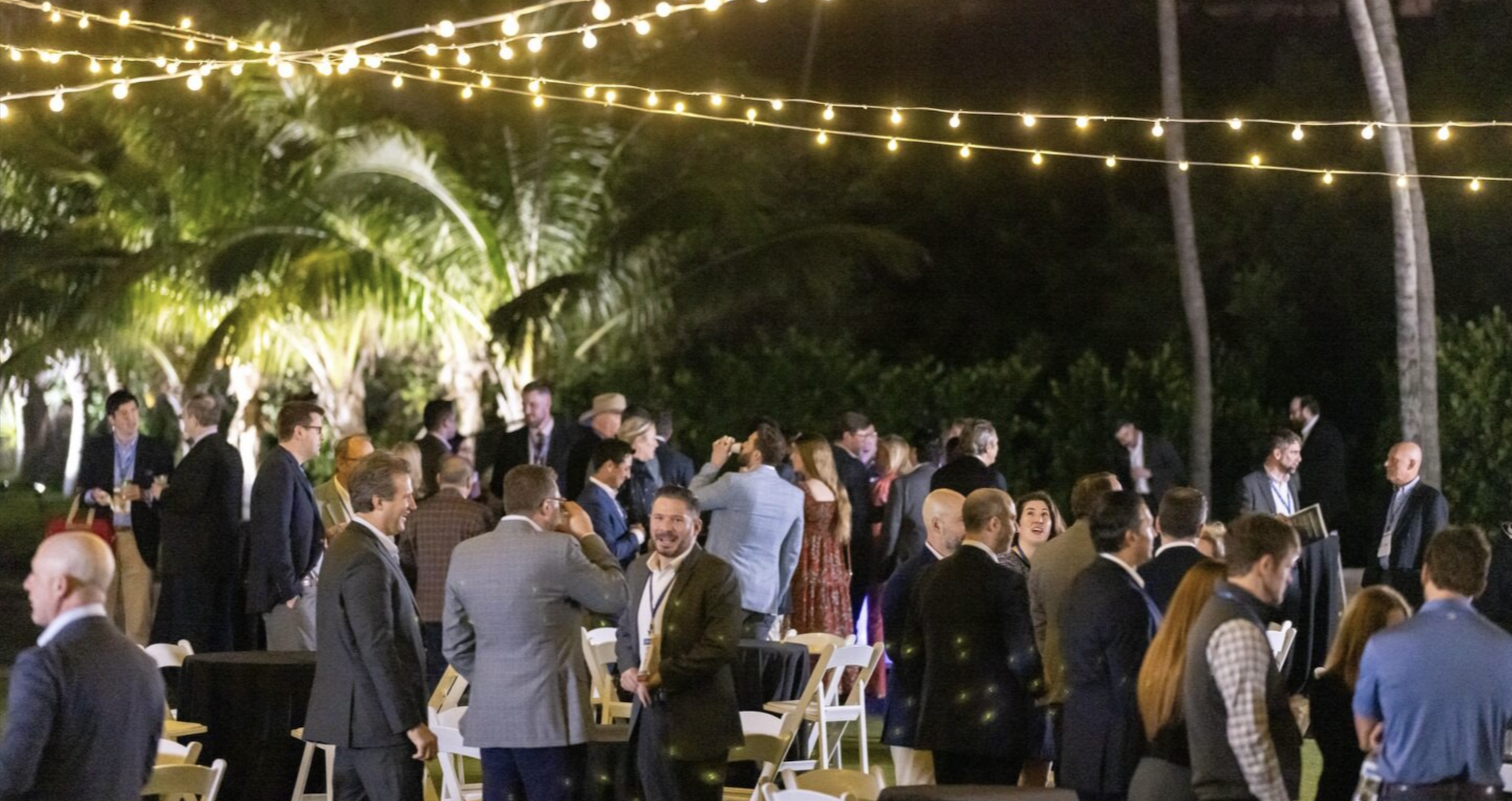
Additional theories will no doubt be discussed when CSC convenes Dec. 1-3, 2026 in Huntington Beach, Calif. It may well be a digital world, but Jaffe is adamant; “When developing a business relationship, a personal relationship, and a rapport—nothing replaces meeting people in person. It’s an opportunity to engage in small talk or chat about your experiences. Nothing virtual can replace that experience.”
Jill N. Jaffe is a partner at NOSSAMAN LLC, San Francisco. Jaffe leads Nossaman’s Construction Claims team, focusing on disputes involving construction claims, public procurements, and infrastructure projects. Jaffe is experienced in all phases of litigation in both federal and state courts—including pre-litigation government investigations, pleadings, e-Discovery, dispositive motions, mediation and trial. She has successfully obtained verdicts for her clients as a lead trial attorney, including for the Texas Department of Transportation.