
BONITA SPRINGS, FL – The transition from “blood sucking overhead” to trusted in-house counsel is still evolving, and some of that transition can be attributed to the proper use of outside counsel. The Breakfast Keynote on day three of Construction Super Conference tackled the topic with an all-star panel of in-house attorneys who made it clear as to what they seek from outside counsel.
Today’s in-house general counsel must keep its executive team well informed with regular updates. Earning the fee as outside counsel often depends on helping with this crucial task. “Members of the executive team don’t require certainty, but they want to know the projected costs,” says Charlie Baxley, vice president of Legal & Risk Management at Alabama-based Hoar Construction. “Tailor your [outside] counsel with that in mind. Take the time to ask what the executive team is looking for.”
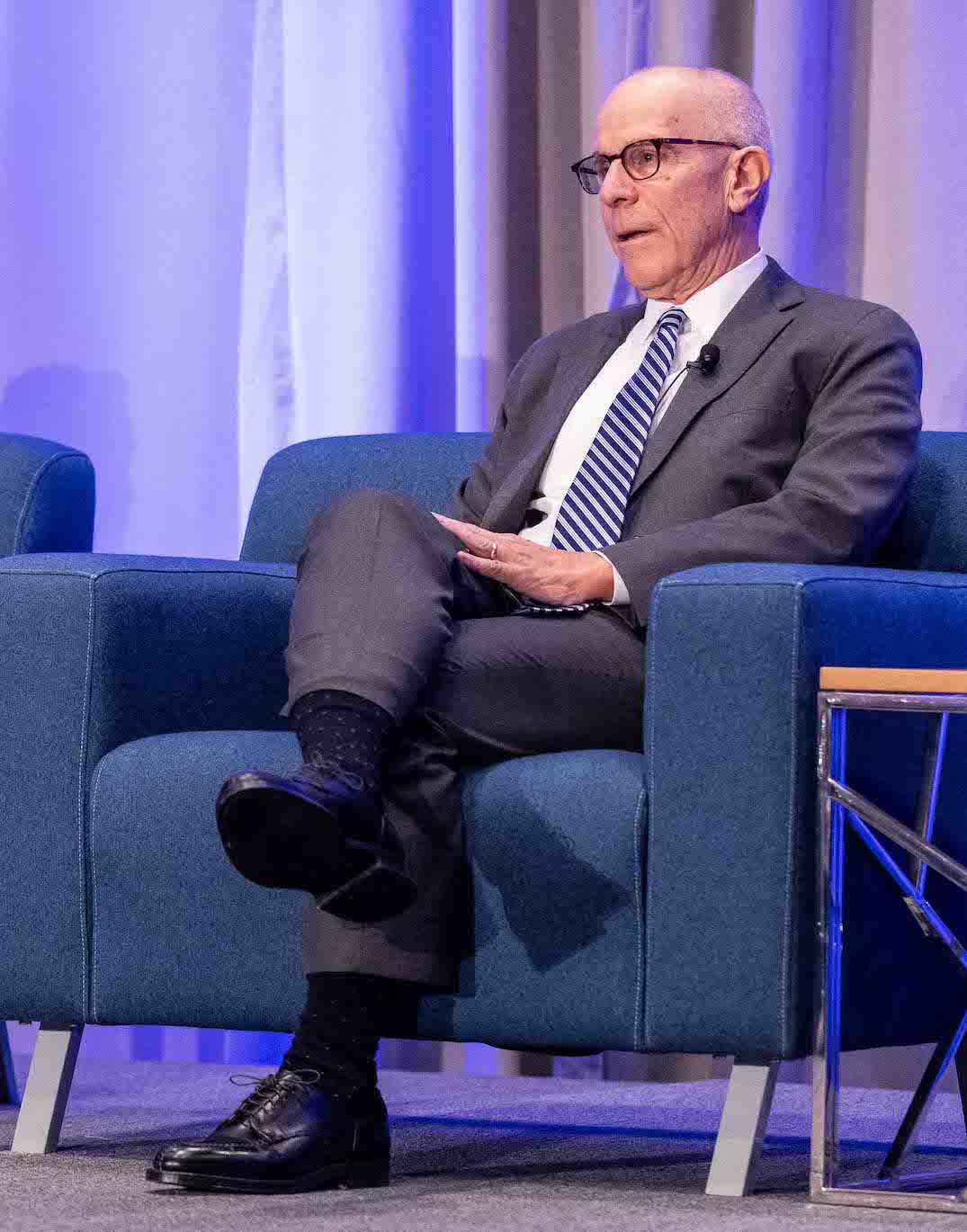 Bob Lizza (pictured right), chief legal officer at Consigli Construction was the company’s first in-house lawyer and he admits; “When I joined, it was easy. We became an employee stock ownership plan [ESOP] and now I have to worry about the retirement of 2,400 of my fellow co-owners. I’m a traffic cop. I have to decide where to get the various expertise. When we became an ESOP, we farmed out some of the legal issues, and we’ve got to make sure it’s a seamless experience for the leadership.”
When the bill comes from outside counsel, Lizza wants a comprehensive review but he warns against over reliance on AI. “You want to write a bill where when the client reads it, he can’t wait to pay it,” Lizza says. “I look at every bill and I can tell when a bill has been put together through various iterations of computer programming. I expect outside counsel to review the bills and tell a story about how they moved a case to its conclusion.”
Panelist Thomas Whittaker, chief legal officer & executive vice president, J.E. Dunn Construction Company, Kansas City, Mo., agrees that counseling the board is where he spends a lot of his time. “We get into real estate, real estate finance, compliance, and employee benefits,” Whittaker says. “We involve our board of directors to look at enterprise risk—those things within our control and outside. We go through that on an annual cycle. We get input from the executives and their direct-reports. We make sure we have those risk mitigation plans.”
Building an enterprise approach to risk is also a priority for panelist Paul James, who moved to the in-house world more than a decade ago and now serves as chief risk & legal officer at Bond Brothers, Inc. “We are responsible for the entire insurance surety program,” James confirms. “We are strategic business advisors. We bring in expertise when needed to resolve whatever the situation is—whether it’s compliance, contracts, or disputes. The reason we are going to an outside firm for help is because we don’t have that, or we don’t have the capacity for that.”
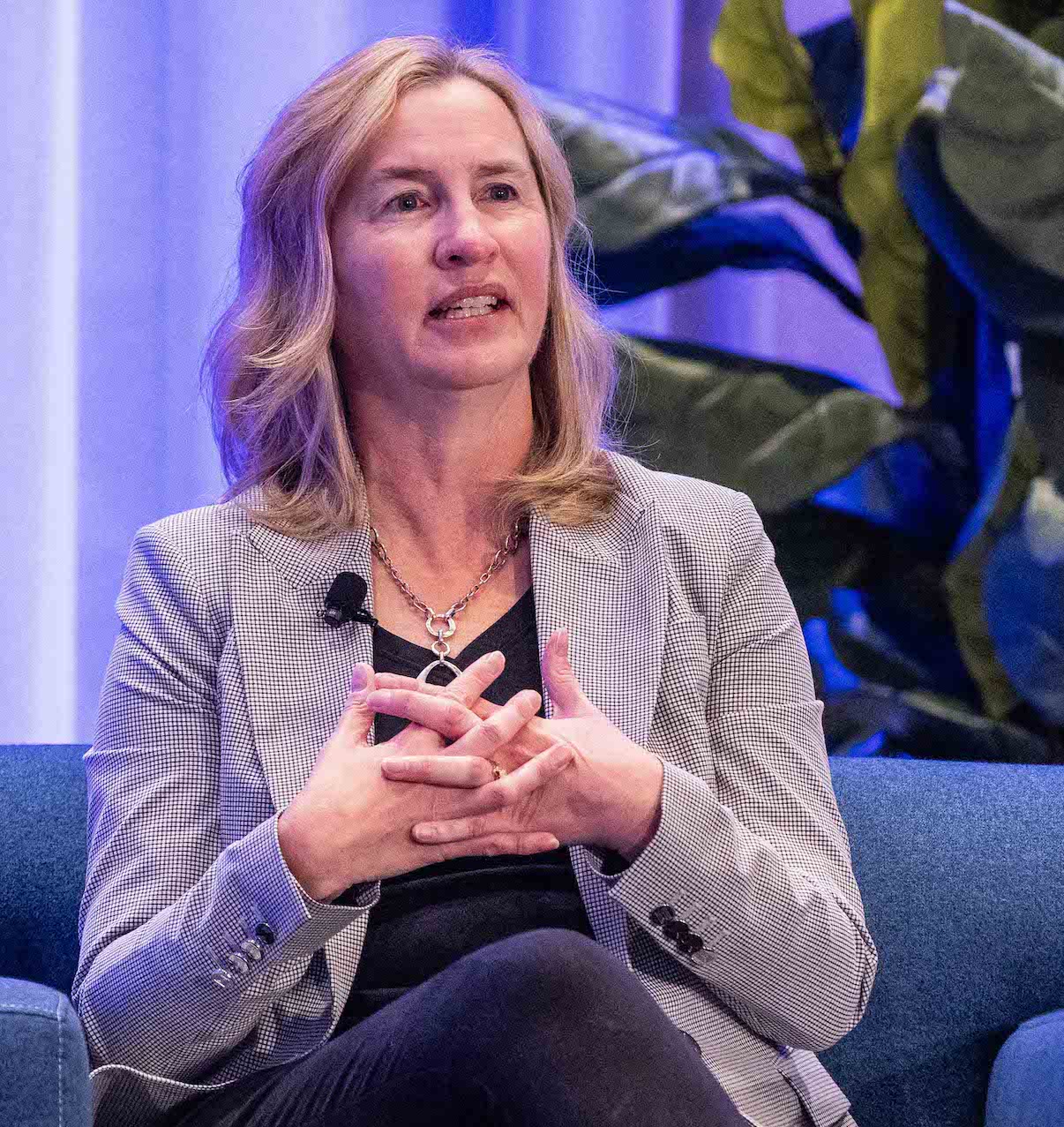 Ultimately, the role of in-house counsel encompasses many issues beyond construction law. Kate Golden (pictured left), senior vice president, general counsel, Mortenson, confirms that intellectual property and employment law are two of many additional duties that general counsel may touch upon.
“We have outside counsel who helps with those,” she says. “We help the company make decisions based on risk. They don’t necessarily want to hear about the nitty gritty legal details.”
The Breakfast Keynote on day three of CSC was sponsored by HKA Global, Inc.
